Your Personalized Longevity Report
Your Heart & Lung Longevity Report
Based on your answers, you may benefit from screening designed to detect heart disease, lung cancer, or breathing problems early. This report summarizes what we look for and what your next step may be.
It all starts with one simple, low-dose CT lung scan.
Start Here
A simple quiz. A clear pathway to prevention.
We use your risk quiz answers to guide a Heart & Lung Longevity Report, then recommend the first screening that makes the most sense for you—often a low-dose CT lung scan that can reveal both lung and heart clues.
- 1–2 minute risk quiz
- Instant Longevity Report summary
- Personalized next-step recommendation
- Option to schedule your low-dose CT lung scan
Your jpurney at a glance
- Risk Quiz → Heart & Lung Longevity Report
- Longevity Report → Recommended Low-Dose CT Lung Screening
- Review Scan → Heart, Lung, or Pulmonary pathway
- Ongoing prevention and specialist care
This pathway is designed to be logical, patient-friendly, and medically sound—helping you catch disease early, when it’s most treatable.
Three Major Risks We Evaluate
Your lungs and heart tell a story about your future health.
Your Longevity Report focuses on three of the most important—and most preventable—causes of serious illness and early death.
Cardiac Risk
Heart Disease Risk
Heart disease remains the number one cause of death worldwide. Plaque can accumulate in coronary arteries for years before symptoms appear.
Screening helps identify whether silent plaque may already be present.
Possible next step:
Calcium Score Heart Scan
Cancer Risk
Lung Cancer Risk
Lung cancer causes more deaths than any other cancer. Early lung cancer often causes no symptoms.
Low-dose CT screening can detect lung cancer at stages when treatment may be most effective.
Possible next step:
Low-Dose CT Lung Screening
Breathing Risk
COPD / Breathing Risk
COPD is one of the leading causes of death in the United States. Many patients develop breathing limitation slowly and may not realize their lung function has declined.
Testing can detect lung damage early, before everyday activities become a struggle.
Possible next step:
Pulmonary Function Testing
Why We Often Start With Lung Screening
One scan can reveal multiple insights.
A low-dose CT scan of the chest can do much more than screen for lung cancer. With a single, fast, noninvasive scan we can:
- Detect early lung cancer
- Identify lung nodules that may need follow-up
- See signs of emphysema or COPD
- Identify lung scarring or other abnormalities
- Sometimes visualize coronary artery calcium
If coronary calcium is visible on the scan, it may indicate early coronary artery disease. This information helps guide whether further heart screening—like a dedicated Calcium Score Heart Scan—is needed.
For many patients who qualify, lung screening is covered by insurance, making it an efficient and accessible starting point.
Your Preventive Pathway
From quiz to scan in one streamlined flow.
We designed this sequence so you never wonder, "What’s next?"
Your low-dose CT lung screening becomes a gateway test: if coronary calcium is seen, we guide you down a heart pathway; if a lung nodule or COPD signs appear, we connect you directly with the right specialists.
Possible Next Steps
One report. Four clear pathways.
Your Longevity Report and lung CT findings determine which pathway is right for you—so you’re never left guessing what to do with the information.
Pathway 1
Lung Screening
- Low-dose CT scan
- 5-minute scan time
- No contrast
- No needles
Pathway 2
Heart Screening
Calcium Score CT to measure plaque in the coronary arteries and refine your heart disease risk.
Triggered when: Coronary artery calcium is seen on your lung CT.
Pathway 3
Pulmonary Evaluation
Pulmonary function testing to measure lung capacity and airflow and assess for COPD or other breathing problems.
Triggered when: Your scan suggests emphysema, scarring, or airflow limitation.
Pathway 4
Specialist Consultation
Review your scans, understand your risks, and create a personalized prevention and treatment plan with our specialists.
What If a Lung Nodule Is Found?
Advanced technology for precise diagnosis.
At Gulf Coast Lung & Longevity Institute we offer ION robotic bronchoscopy, an advanced technology that allows physicians to reach very small lung nodules deep inside the lung.
- Enables navigation to hard-to-reach areas of the lung
- Allows biopsy of nodules as small as 6 mm in some cases
- Improves accuracy compared to traditional bronchoscopy
- Supports earlier diagnosis and more precise treatment planning
If a nodule is found, you’re not left searching for where to go next—our team guides you through every step.
From incidental finding to informed action.
Many lung nodules are found incidentally—on scans done for other reasons. We help you understand what your nodule means, whether it’s low-risk and needs monitoring or higher-risk and needs biopsy.
ION Robotic Bronchoscopy Advantage
By combining CT guidance with robotic precision, we can often sample smaller nodules with fewer complications and greater accuracy than older techniques.
If Early Cancer Is Found
Minimally invasive robotic surgery when it matters most.
If lung cancer is detected early, surgery may offer the best chance of cure. Our surgeons specialize in robotic thoracic surgery, allowing them to operate through small incisions rather than traditional open surgery.
- Less pain after surgery
- Smaller, more discreet scars
- Faster recovery and return to activity
- Shorter hospital stays—some patients go home the next day
Early detection gives you more options. Our job is to connect you with the least invasive, most effective treatment available for your specific situation.
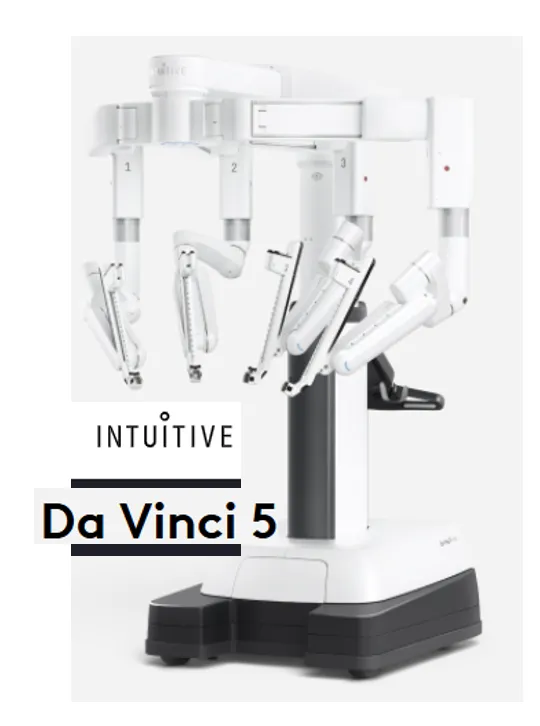
Robotic thoracic surgery is performed within the CHRISTUS Ochsner Health system, with a dedicated thoracic surgery team experienced in lung cancer care.
Complete Care in One Location
From screening to treatment under one coordinated system.
Patients receive care within the CHRISTUS Ochsner Health system, so your imaging, procedures, and specialist visits are connected—not scattered across different facilities.
Regional Heart Center
- Preventive cardiology
- Calcium scoring
- Advanced cardiac imaging
- Robotic cardiac surgery
Regional Cancer Center
- Thoracic oncology
- Medical oncology
- Radiation oncology
- Coordinated cancer care
Thoracic Surgery Program
- Robotic lung surgery
- Minimally invasive lung surgery
- Multidisciplinary tumor board
- Integrated follow-up and surveillance
The goal is simple.
Detect disease early.
Treat it earlier.
Help people live longer.
Your next step is straightforward: schedule a low-dose CT lung screening or request a consultation to review your Longevity Report and options.
No referral? No problem. Our team can help you determine if you qualify for screening and how to use your insurance benefits.
Ready to schedule your lung & heart screening?
Tell us a bit about yourself and our team will contact you to confirm eligibility, review pricing and insurance options, and book your low-dose CT lung scan or consultation.
- Most visits completed in under 60 minutes
- Low-dose CT lung screening takes about 5 minutes
- No needles, no contrast for the lung CT
- Same-system referrals for any needed follow-up
Schedule Screening or Request Consultation
Complete the short form below and our scheduling team will reach out within one business day.
We respect your privacy. Your information is used only to coordinate your care and will not be sold or shared for marketing outside CHRISTUS Ochsner Health.